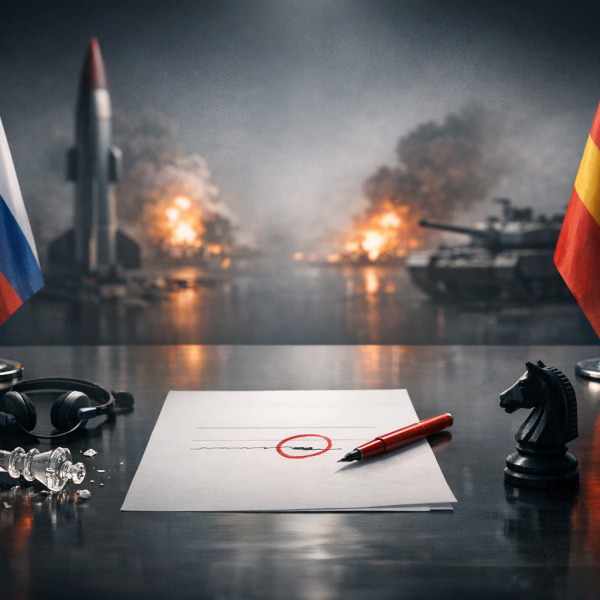
In international diplomacy, words are weapons, bridges, or shields – and a single mistranslated phrase can instantly change which role they play. When governments communicate through interpreters, legal texts, and official documents, precision is not optional. It is the difference between cooperation and confrontation, between trust and hostility. One overlooked nuance, one culturally insensitive word choice, or one technical mistake in a treaty clause can spiral into a crisis. That is why professional diplomatic translation is not just a linguistic service; it is a frontline tool for global stability.
1. The Power of a Single Word in International Negotiations
Diplomatic negotiations often hinge on wording that has been debated, refined, and agreed upon over months or even years. Terms like "shall," "may," "guarantee," or "support" may appear simple, but in diplomatic language they represent binding commitments, strategic intentions, and legal obligations. Translating any of these terms inaccurately can alter the entire scope of an agreement.
For instance, mistranslating a word that suggests obligation into one that implies a mere possibility can lead one party to believe the other has backed away from a promise. When national security, borders, or military deployments are involved, such misunderstandings can quickly escalate beyond verbal corrections.
2. How Legal Nuances in Treaties Can Trigger Conflict
Most diplomatic documents are not casual communications; they are legal texts with complex structures, defined terminology, and precise references. Treaty language is often reviewed by teams of lawyers and diplomats to avoid ambiguity. When this material is translated, every comma placement and every legal term matters.
If a treaty clause concerning territory, resources, or mutual defense is mistranslated, one country may interpret the agreement as more restrictive or more permissive than the other. This can result in military deployments viewed as violations, trade actions perceived as hostile, or political decisions interpreted as betrayal. The danger lies in the fact that both sides might genuinely believe they are acting within the terms of the agreement, while each sees the other as breaking it.
3. Personal Documents and Identity: The Hidden Risk in Diplomatic Cases
Diplomatic tensions do not always start at the level of grand treaties; they can also begin with individual cases: asylum seekers, refugees, international adoptions, or citizens detained abroad. When identity documents such as passports, visas, or civil records are mistranslated, they can create suspicion and friction between states.
A seemingly routine document like a birth certificate translation can become a sensitive diplomatic file if it is associated with citizenship status, deportation, or family reunification across borders. If a child’s date of birth, name, or place of origin is incorrectly translated, it may affect their legal status and trigger disputes between consulates, immigration authorities, or even entire governments. That is why official document translation must be handled with the highest level of linguistic, legal, and cultural expertise.
Consulates rarely accept a translation on the strength of an agency name alone, so who signed it becomes the operative question. PoliLingua runs sworn translation as a service line of its own, and in consular files that distinction decides whether a civil record is treated as evidence or as an attachment. A single case can easily combine a court judgment, a tax record and a birth certificate. Splitting those across translators with different authorisations is how a name or a date first drifts.
4. Historical Examples: When Translation Shaped International Relations
History shows that mistranslations can fuel crises or harden existing tensions. While not every mistake has started a war, some have brought countries dangerously close to confrontation. Misinterpretations of speeches, communiqués, or negotiations have led to wrong assumptions about a rival’s intentions.
In some famous cases, unintentional word choices were interpreted as threats or ultimatums, forcing governments into defensive postures. Once aggressive intent is assumed, it is difficult to reverse the narrative, especially when media and public opinion are involved. A statement that was meant to be firm but diplomatic may, through translation, appear as insulting or menacing, cornering leaders into nationalist responses.
5. Cultural Nuance: More Than Just Vocabulary
Diplomatic translation is not just about converting words from one language to another; it is about transferring cultural meaning. Many expressions, idioms, and references cannot be translated literally without losing or distorting their intent. A phrase that sounds polite in one language might sound sarcastic or aggressive in another if rendered word for word.
Cultural misunderstanding can inflame already sensitive situations. A poorly translated condolence message, for example, might sound indifferent or disrespectful to a grieving nation. A translated joke that is harmless in one culture might be seen as an insult in another. Such slips can require public apologies, strain alliances, and in high-risk environments, contribute to an atmosphere of mistrust that feeds larger conflicts.
The unsettling part of a diplomatic mistranslation is the scale of consequence relative to the size of the error: one word, chosen slightly wrong, changes the meaning of everything around it. Small inputs with disproportionate effects are a general feature of tightly structured systems. Harmony is one of the cleaner examples, which is why sad chord progressions can shift the mood of an entire song through a change most listeners never consciously register.
6. The Role of Interpreters in High-Stakes Meetings
When heads of state meet, minutes can feel like hours, and the pressure on interpreters is enormous. They must process complex, technical, and emotionally charged language in real time, staying accurate while keeping pace. An interpreter who omits a key qualifier, softens an important warning, or intensifies a conditional statement can reshape the perceived message.
Misinterpretation in such settings can cause a leader to react to something that was never actually said or to miss a crucial concession the other side intended to offer. In an environment where every sentence can move markets or troops, the accuracy of spoken diplomatic interpretation is inseparable from national and international security.
7. Media, Leaks, and the Amplification of Translation Errors
In the digital age, diplomatic communication is not confined to closed rooms. Statements are broadcast live, translated on the spot, and dissected by global media. A translation error that once might have been quietly corrected now has the potential to be shared instantly, generating headlines, social media storms, and political pressure.
Once a mistranslated phrase is repeated and amplified, it can become part of the public record and national narrative. Even if corrections are issued, many people will continue to believe the original, incorrect version. This can make de-escalation significantly harder, as leaders must respond not only to their counterparts but to their own populations, who may have been angered by what they think was said.
8. Why Professional Diplomatic Translation Is a Strategic Necessity
Governments, international organizations, and law firms increasingly recognize that translation is a strategic function, not a clerical task. Diplomatic translators and interpreters must possess advanced linguistic skills, deep knowledge of international law and politics, and cultural sensitivity. They often work in specialized teams, with multiple levels of review, to ensure that every document and statement carries the intended meaning.
From multilateral treaties to personal status documents, the margin for error is tiny, while the consequences of error can be enormous. Investing in expert translation is a preventive measure against misunderstandings that could escalate into economic sanctions, diplomatic expulsions, or even military confrontation. In diplomacy, the cost of an error can far exceed the cost of doing it right the first time.
Conclusion: Precision in Translation as a Safeguard for Peace
When nations interact, language is the medium through which trust, commitments, and red lines are expressed. A single mistranslated phrase can upset delicate balances, obscure true intentions, and push rivals closer to conflict. Whether dealing with major treaties, public statements, or individual legal documents tied to international cases, the stakes are always high.
Ensuring accurate, culturally aware, and legally sound translation is therefore not a mere administrative step; it is a fundamental safeguard for peace and stability. In a world where misunderstandings can escalate at the speed of a news cycle, professional diplomatic translation stands as one of the quiet but essential defenses against avoidable crises.